We are a builder, so you can guess which way we lean. But we spent our first years taking apart old Fort Worth houses, and we would rather give you the real comparison than the brochure one.
What you actually gain with an older house
Start here, because it is real.
Location and lot. The best-located land in Fort Worth was built on decades ago. Mature trees, established streets, walkability, proximity to downtown — those come with older neighborhoods, and no new subdivision on the edge of the metroplex replicates them.
Price of entry. An older house usually costs less to buy than an equivalent new one costs to build. That gap is genuine and for a lot of buyers it is decisive.
Character. Original wood floors, real plaster, deep trim, brick that has weathered for eighty years. Some of that can be reproduced and some of it cannot.
Known quantity. The house has stood for seventy years. Whatever it does in the rain, it has already done.
What you take on with it
Here is where remodeling taught us things we still carry into every new build.
The systems are on a clock. A furnace, a condenser, a water heater, a roof and a service panel all have finite lives, and in an older home they tend to be at different points on that clock — which means the replacements arrive one at a time over several years, each at a moment you did not choose.
Cast iron and galvanized. Drain lines under a slab from the mid-century era are frequently at end of life. Repiping under an occupied slab is expensive and disruptive in a way that surprises people.
Wiring. Ungrounded two-prong circuits, undersized panels, and occasionally cloth-wrapped conductors or aluminum branch wiring. All fixable, none cheap, and some of it is an insurance question as well as a safety one.
Envelope. Little or no wall insulation, single-pane windows, uninsulated ductwork running through an attic that hits 140 degrees in August. This is the difference you feel on the utility bill every month.
What's behind the drywall. This is the honest one. When you open up an older house you find out what the last four people who worked on it did in a hurry. Sometimes it is fine. Sometimes it is a bathroom that has been leaking quietly into a joist for six years.
The best money anyone spends on an older house is a thorough inspection, plus a sewer scope. A camera down the main line costs a few hundred dollars and has changed more purchase decisions than any other single item we have seen.
What new construction actually gives you
Everything starts at zero. Roof, HVAC, water heater, appliances, plumbing, electrical. No replacement is due for years, and none of them arrive as a surprise.
The envelope is code-built and tested. Texas builds to the 2021 energy code. New homes here get air sealing details, insulation levels and duct sealing that older houses never had, and the house has to pass a blower-door test showing no more than three air changes per hour at 50 pascals before it can be signed off. That is not marketing — it is a measured number a third party puts on paper.
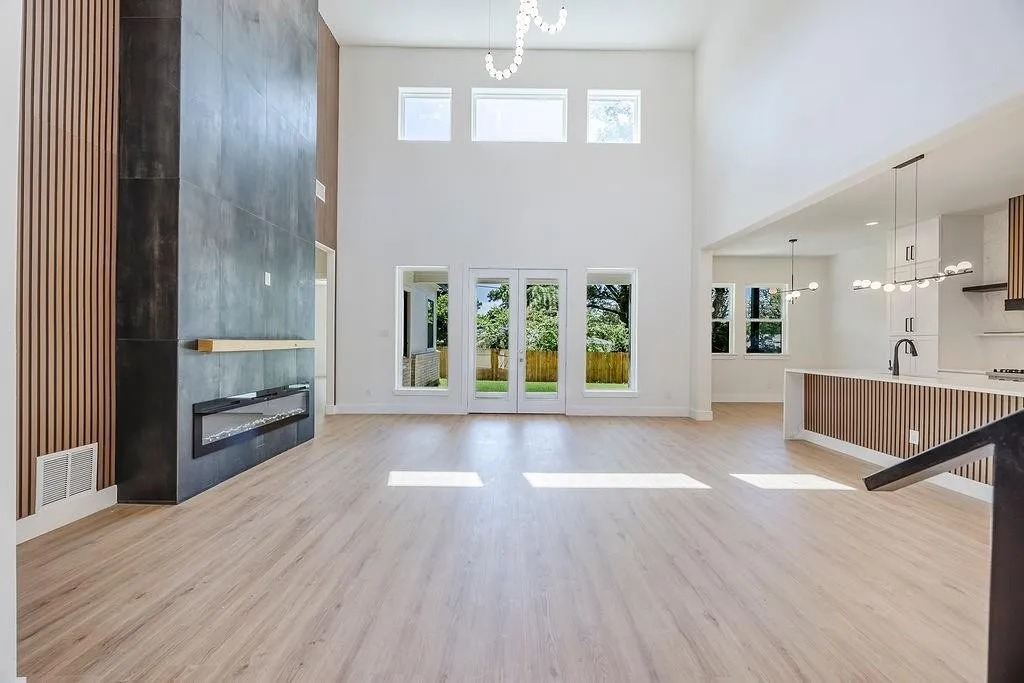
The plan matches how people live now. Open kitchen to living, a real primary suite, a laundry room that is not a closet in the hallway, closets sized for actual clothes, and enough outlets. Getting an older house to that plan usually means moving walls, which means structure, which means the remodel gets expensive fast.
Warranty and recourse. A new house from a builder who stands behind it comes with someone to call. A fifty-year-old house comes with a home warranty policy and a deductible.
Predictable cost of ownership. This is the part buyers underweight. Two houses at the same purchase price are not the same money if one of them needs a roof, two HVAC systems and a repipe in the next five years.
What you give up with new
Being fair about it: you pay more up front, you wait eight to twelve months if you are building rather than buying a finished spec, the trees are small, and a brand-new house on an old street takes a few years to stop looking brand new.
You are also making a lot of decisions. Some people enjoy that and some people find it exhausting. It is worth knowing which one you are before you start.
The middle path: new construction on an old street
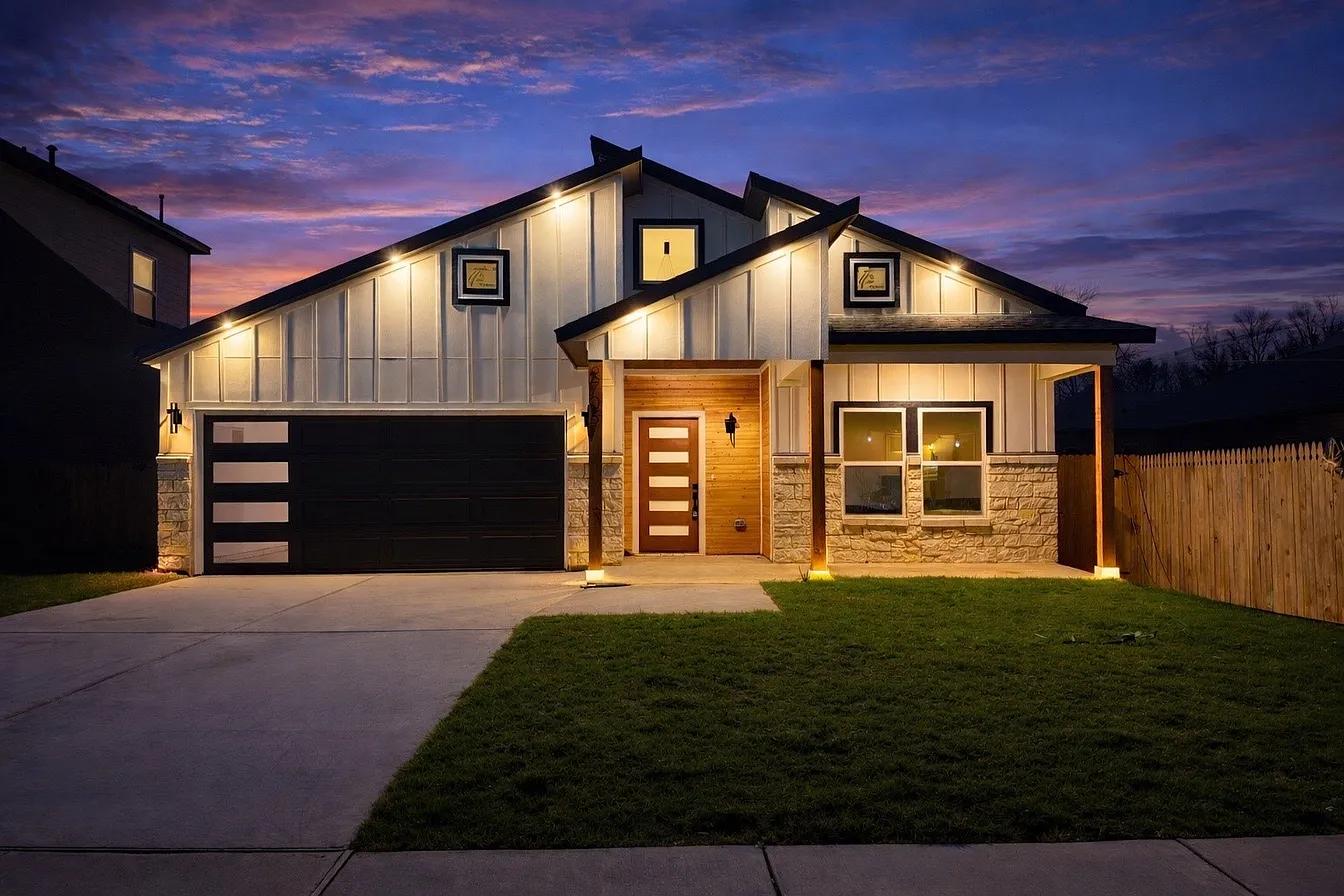
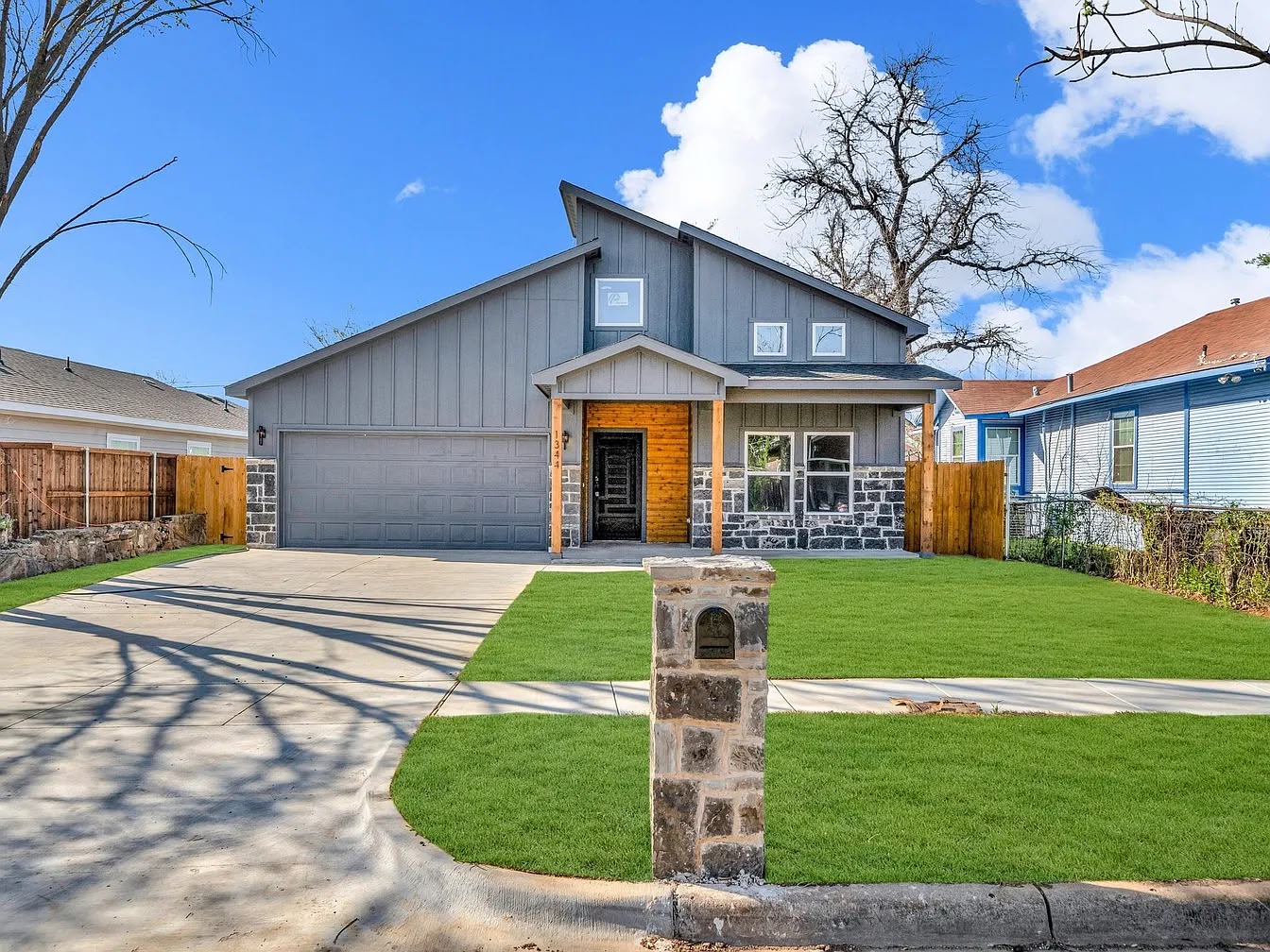
This is most of what we build, and it is worth naming as its own option. A new house on an infill lot in an established Fort Worth neighborhood gets you the location, the trees on the block, the walkability and the proximity — with a house that is new from the slab up.
Our homes on S Jones Street, E Allen Avenue, E Jefferson Avenue and Walker Street are all this. So are the four going up together on Rayner Avenue. You are not choosing between the old neighborhood and the new house.
How we would actually decide
- Run five-year numbers, not purchase price. Add expected systems replacement, energy costs and known deferred maintenance to the older house. Compare then.
- Be honest about your appetite for projects. A charming old house is a hobby as much as an asset. That is fine if you want the hobby.
- Weigh the lot heavily. Location is the one variable neither renovation nor construction can fix.
- If you love an older house, get it properly inspected and scoped, then price the work before you close. Not after.
We are genuinely happy to look at both with you. We have talked people into old houses before, and we have talked people out of them. If you want a second opinion on a specific property in Fort Worth or Arlington, get in touch.