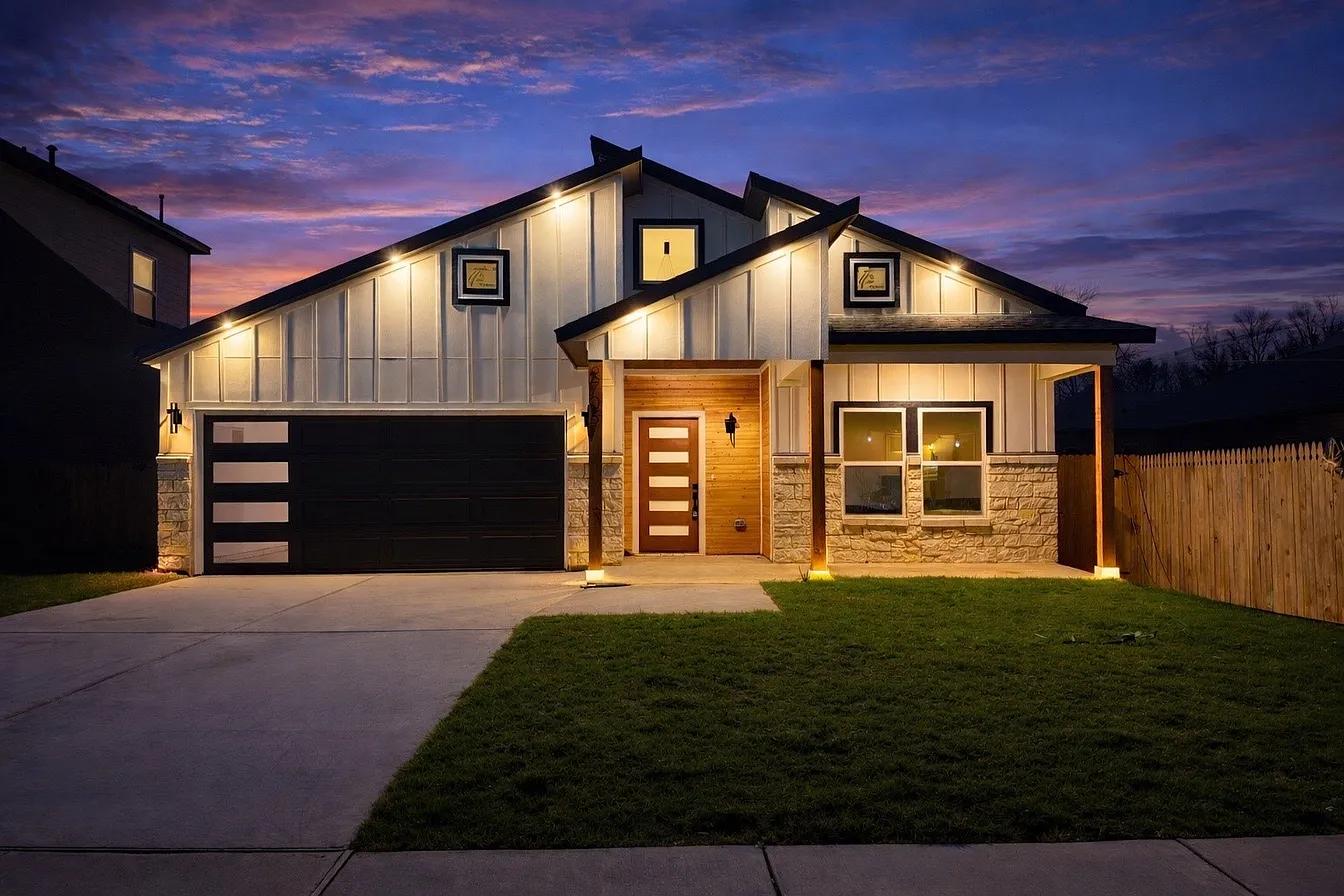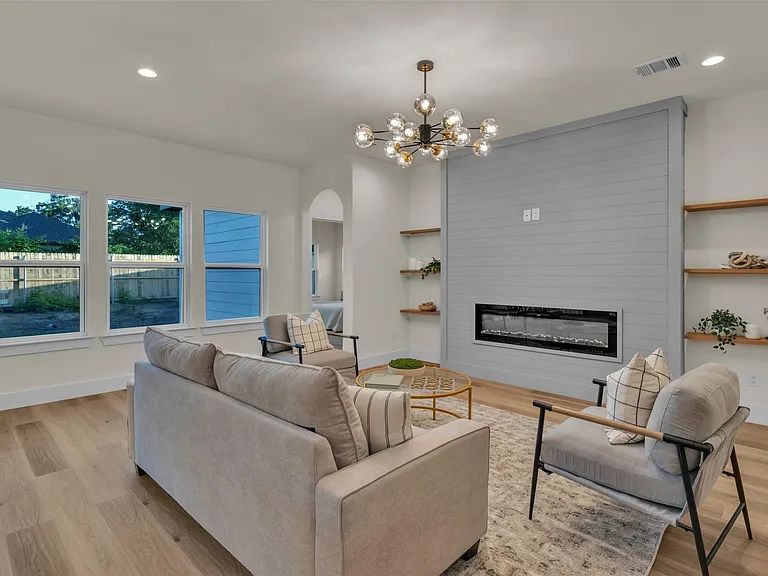
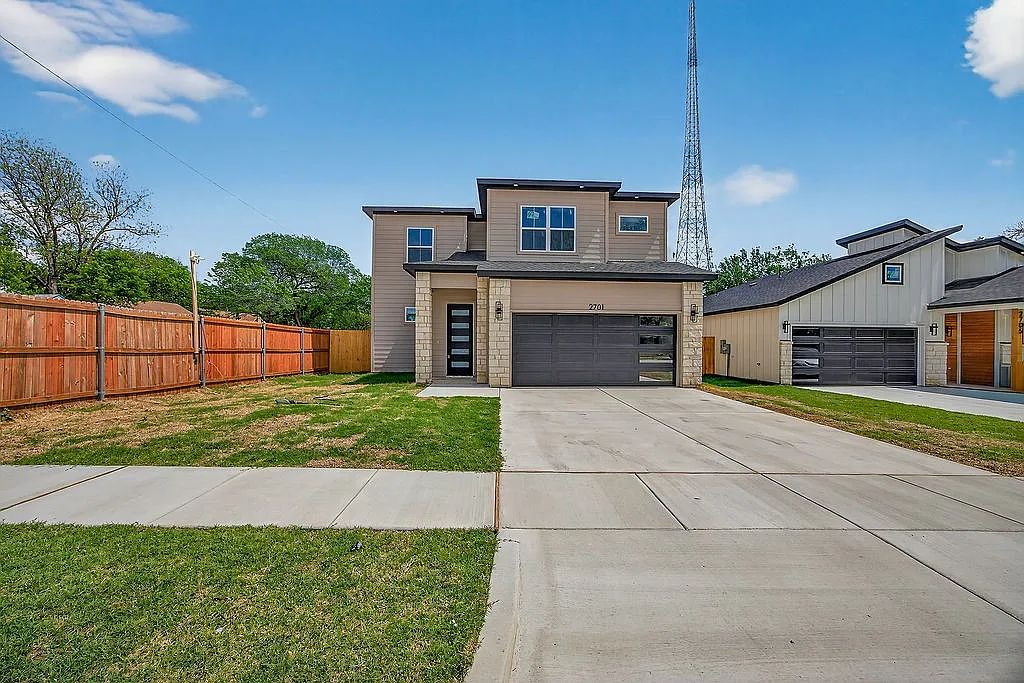
Eight to twelve months, lot walk to keys, is the honest answer for most new homes in the metroplex. What people usually get wrong is the shape of that time, not the length of it.
The two halves of a build
A new home has a paper half and a dirt half, and they are roughly two to four months and six to eight months respectively.
The paper half feels like nothing is happening. There is no crew, no photograph worth sending anyone, and no visible progress. It is also where the house is actually decided. Nearly every expensive mistake we have seen on a build traces back to a decision that was rushed or deferred during this stretch.
Months 1 to 2 — Lot, plan, engineering
We start on the lot, not the plan. Slope, drainage, trees, setbacks, where the utilities are and what condition they are in, whether an alley serves the property, what the neighbors' finished floor elevations look like. The lot puts real constraints on the house, and it is much cheaper to find them now.
Then the plan set comes together: floor plan, elevations, structural engineering, and a soil report that tells the engineer what he is designing the foundation onto. In North Texas that soil report is not a formality — more on why in our post on building on North Texas clay.
This is also when we want the big selections directionally settled. Not every faucet. But ceiling heights, window sizes, whether there is a fireplace, where the kitchen island lands, whether the primary bath has a tub. All of those are structural or mechanical decisions disguised as finish decisions.
Months 2 to 3 — Survey and permit
A new survey and plot plan go in with the permit application. Fort Worth runs residential reviews through its online permit portal and generally targets about a week for an initial review, with corrections turning faster than that. Arlington, Dallas, White Settlement and Sherman each run their own process and their own timelines.
Assume a few weeks from application to permit in hand, not a few days. Reviews come back with comments, comments get addressed, and the file goes back in. That loop is normal and it is not a sign anything is wrong.
The single best thing an owner can do for the schedule happens here: answer questions the day they are asked. A plan-review comment that sits in somebody's inbox for a week costs the same week at the end of the project.
Month 3 to 4 — Site work and foundation
Demolition if there is anything on the lot. Clearing, grading, and getting drainage right before there is a house in the way. Then form the slab, set plumbing, place steel or tendons, inspect, and pour.
Foundation work is weather-dependent in a way nothing else on the job is. A wet stretch in spring can move a pour by a week or two, and there is no crew size that fixes it. After the pour, the slab needs its cure time before framing starts — that wait is not idleness, it is the schedule working correctly.
Months 4 to 6 — Framing, dry-in and rough-ins
This is the fun part, and the fast part. Walls go up, the roof goes on, and the house becomes recognizable in about two weeks. Then it slows down again while roofing, windows and exterior doors get the building dried in.
Once it is dry, the rough-ins run: plumbing, HVAC ducts and equipment, electrical, and low voltage. Each has its own inspection. This is the last moment where moving a wall, a window or an outlet is merely annoying rather than genuinely expensive.
We walk owners through the house at rough-in stage on purpose. Standing inside the framed rooms is the first time most people really understand the plan, and a small adjustment caught here is worth a lot.
Months 6 to 8 — Insulation, drywall, and the quiet stretch
Insulation and the air-sealing details go in, drywall gets hung, taped, floated and textured, and the house goes quiet. From the outside almost nothing changes for several weeks. Interior doors and trim follow, then the first coats of paint.
Long-lead items need to have been ordered well before this point. Windows, specialty appliances, certain tile, custom cabinetry and some plumbing fixtures can run months out. A house that is otherwise finished can sit waiting on one range or one slab of stone, and that is an avoidable kind of delay.
Months 8 to 10 — Finishes
Cabinets, counters, tile, flooring, lighting, plumbing trim, hardware, mirrors, appliances. Several trades in the house at once, in a sequence that matters. Counters cannot be templated until cabinets are set. Backsplash follows counters. Flooring wants to be in before final trim.
This is where a build either feels organized or feels chaotic, and the difference is almost entirely whether the selections were locked earlier.
The last few weeks — Testing, punch and final
Final inspections, an energy code blower-door test, HVAC balance and startup, landscaping and irrigation, fencing, driveway and final grade. Then the punch list: our walk, then your walk, then the fixes.
We would rather spend an extra ten days here than hand over a house with a list attached to it. The last two percent of a build is what people remember.
Where schedules really slip
- Late decisions. By a wide margin, the biggest cause. A selection due in month three that lands in month five delays every trade behind it.
- Changes after framing. Moving a wall in month five undoes rough-ins, re-triggers inspections and reorders material.
- Weather at foundation and framing. Unavoidable, and worth building a cushion for rather than pretending it will not happen.
- Long-lead items ordered late. Entirely avoidable with a schedule that names order-by dates.
- Utility connections on infill lots. Old service, unclear records, and coordination with the utility can add weeks that have nothing to do with the build.
What a good builder owes you here
A schedule you can actually read, a list of what is due from you and when, and a phone call when something moves — before you notice it yourself. We do a standing weekly update with photos, and if a date changes we say so and say why.
If you are working out whether your timeline is realistic for a specific lot, send us the details and we will tell you honestly what we think it takes.