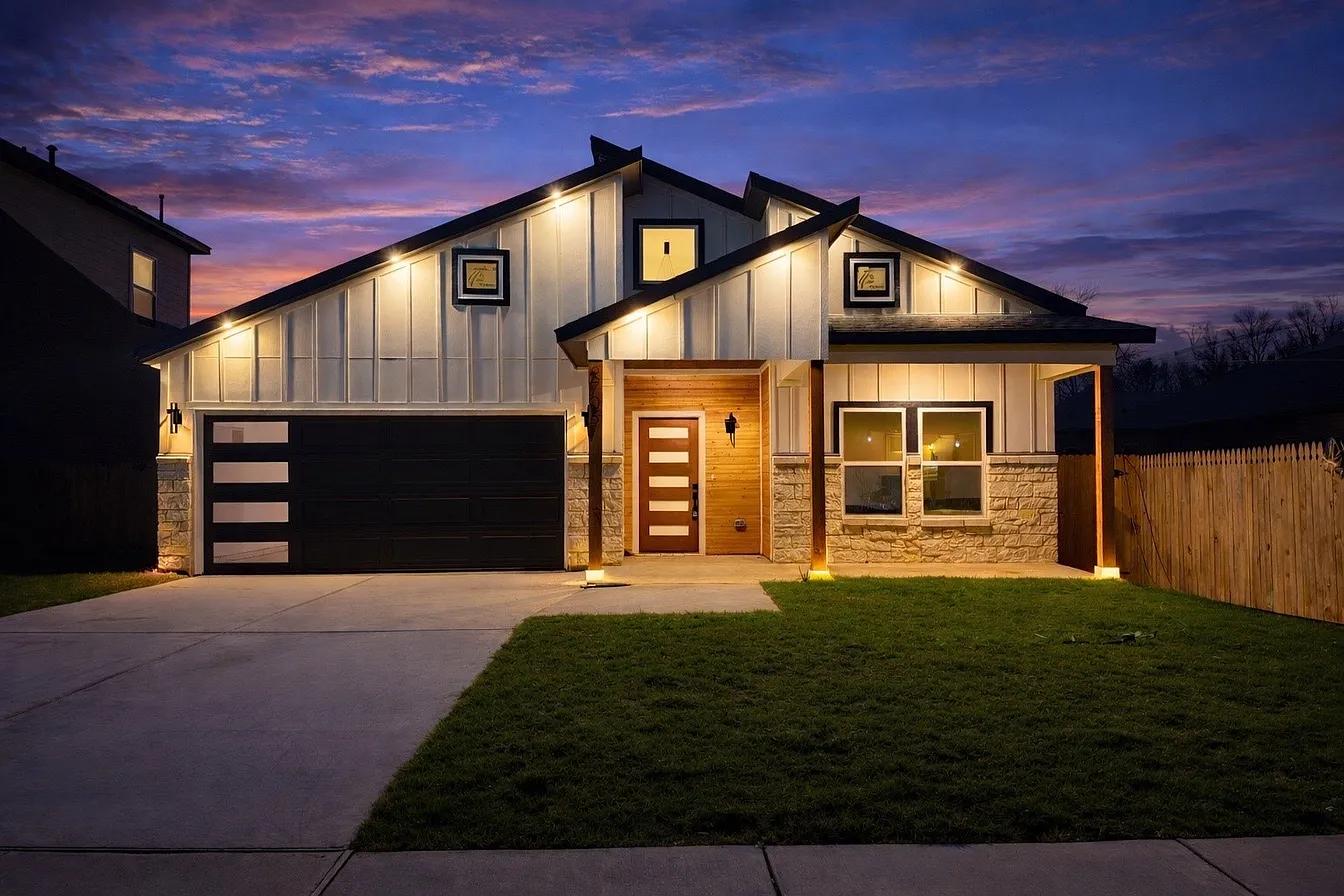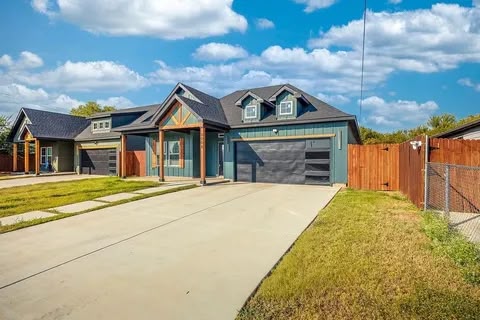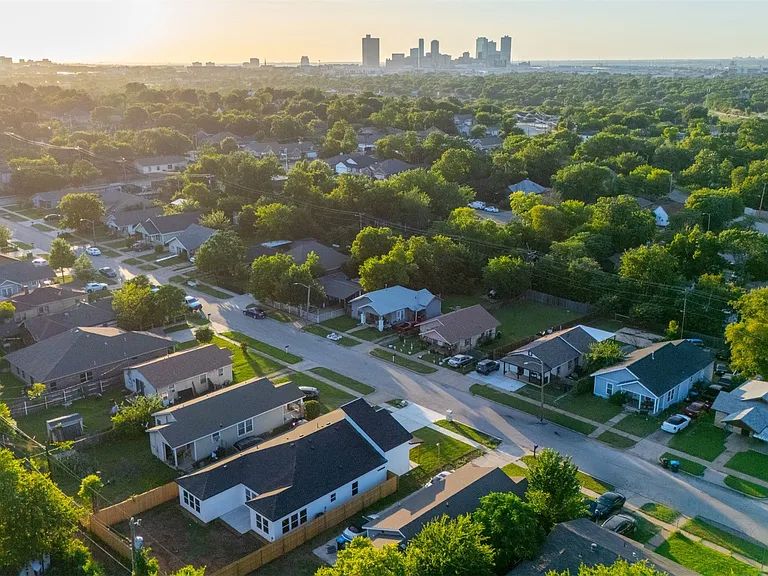
People fall in love with lots. We understand it — we do it too. But we have also walked away from land that photographed beautifully and would have cost a buyer forty thousand dollars before the slab. Here is what we look at.
Start with the plat and the zoning
Two questions before anything else: is this a legal lot of record, and what is it zoned?
A parcel that appears on a tax map is not automatically a buildable lot. Land that was split informally, combined, or never platted may need to be platted or replatted before a permit can issue — a process measured in months, not weeks. Ask for the recorded plat.
Zoning tells you what you are allowed to build and, just as importantly, how big. In Fort Worth the residential districts differ on minimum lot size and width, allowed height, and how much of the lot can be covered. A lot zoned for a single-family house may or may not be zoned for the duplex or the second unit somebody has in mind.
Then draw the buildable box
Setbacks, front, rear and side, define a rectangle inside the lot lines. Your house has to fit in that rectangle, and so does the garage.
This is the fastest way to disqualify a lot. A narrow infill lot with generous side setbacks can end up with a buildable width that will not accommodate a two-car garage and a livable floor plan at the same time. We sketch this box before we do anything else, because a lot that cannot hold the house you want is not a bargain at any price.
Watch for easements too. A utility easement running through the back of a lot is effectively unbuildable ground, and it is not always obvious on a walk.
Utilities: what's there, and what condition it's in
Water, sewer, gas and electric. For each one the questions are the same: is it at the property, what size, how old, and what will it cost to connect?
On infill lots in older Fort Worth neighborhoods this is where surprises live. A lot may have had a house on it in 1955 and still show an old service that nobody will let you reuse. Sewer might be in the alley, or it might be across the street, which means cutting and restoring pavement. Occasionally there is no sewer within reach at all and you are looking at a main extension, which changes the economics of a lot entirely.
Ask specifically about sewer depth. A gravity sewer line that sits higher than your planned slab means a grinder pump, an ongoing maintenance item, and a cost nobody budgeted for.
Drainage and floodplain
Look at where water goes. Stand on the lot and figure out where it comes from, where it crosses, and where it leaves. Then check the FEMA maps, and check whether any part of the lot sits in a floodplain or floodway.
Floodplain does not automatically mean unbuildable, but it does mean elevation requirements, engineering, flood insurance and a smaller pool of future buyers. Floodway generally means walk away.
Even outside the mapped floodplain, a lot at the bottom of a block collects everybody's runoff. That is solvable with grading and drains, and solving it is a line item.
Soil
North Texas sits on expansive clay that swells when it is wet and shrinks when it is not. It is the single most common source of foundation trouble in the metroplex, and how much of it you have under a particular lot varies street to street.
A geotechnical report tells your engineer what he is designing for. On a lot you are serious about, it is money well spent before closing rather than after. We wrote more about what that means in practice in our post on foundations and North Texas clay.
Trees
Mature trees are one of the best things a lot can have and one of the more complicated. Fort Worth has tree preservation requirements, and a protected tree in the middle of the buildable box is a real design constraint.
Also think about root zones. Building a slab hard against a large tree, or removing a large tree that has been drinking out of the clay under your future foundation for forty years, both have consequences your engineer will want to know about.
What's already on the lot
An old house, a slab, a pool, a detached garage, a septic tank, a well, a slab of buried concrete somebody poured in 1970. Everything has to come off, and a few of those items have their own permitting and abandonment procedures.
Ask whether there was ever a structure there, and get a look at the aerial history if you can. Buried debris is one of the more expensive surprises in site work because you do not find it until the excavator does.
Access and the alley
Many older Fort Worth blocks are served by alleys, and some of them require the garage to be accessed from the alley rather than the street. That is a floor plan decision, not a detail. Check whether the alley is paved, maintained and actually passable for a concrete truck.
The neighbors
Not a legal check, a practical one. Look at what has sold on the block in the last two years, and what has been built. If you are building a house that will be worth substantially more than anything else on the street, understand that going in. Appraisals on infill new construction lean on comparable sales, and a shortage of comparables can complicate a construction loan.
Our short version
- Confirm it is a platted lot of record with zoning that allows what you want.
- Draw the setback box and confirm the house fits inside it.
- Verify water, sewer, gas and electric — location, size and condition.
- Check floodplain, and walk the drainage yourself.
- Get a soil report before you close, not after.
- Identify protected trees, easements and anything that has to be demolished.
- Look at recent sales on the block.
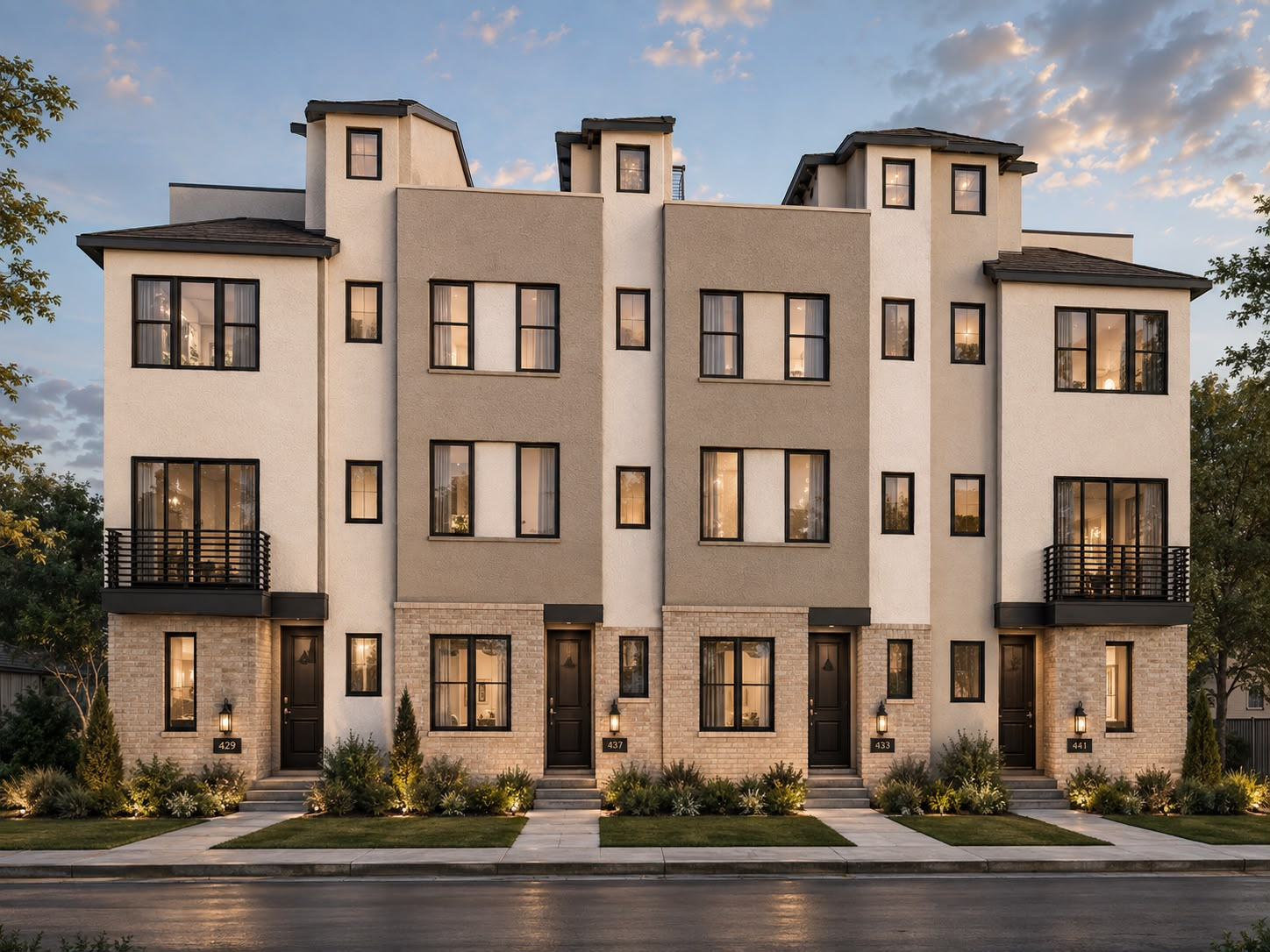
We have done this walk on a lot of lots across Fort Worth, Arlington, Dallas and Sherman, including the four we are building on Rayner Avenue right now. If you have a lot you are considering, send us the address — we will look at it honestly, including telling you not to buy it.